Mastering the Elegance of Reduced Ornament: A Classic Serif Font for Timeless Design
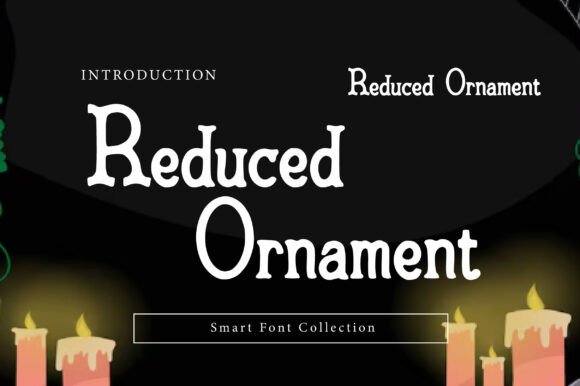
Reduced Ornament is a classic decorative serif font that seamlessly blends old-style charm with modern readability. This versatile typeface is perfect for adding a touch of elegance and a vintage feel to your designs, whether you're working on branding, logos, packaging, or editorial projects. Its slightly rounded, handcrafted appearance gives it a warm, inviting look without being overly ornate, making it ideal for a wide range of applications.
Why Choose Reduced Ornament?
Reduced Ornament stands out for its ability to maintain a clean, vintage character while remaining highly readable and balanced. This makes it an excellent choice for designers looking to create elegant, traditional, and timeless typography. Whether you're designing for a coffee shop, a boutique, or a book cover, Reduced Ornament can help you achieve a sophisticated, handcrafted aesthetic.
Mistake 1: Overusing the Font in Large Text Blocks
One common mistake is using Reduced Ornament for large amounts of text. While the font is beautiful, it can become overwhelming when used excessively. Instead, use it for headings, titles, and short blocks of text. For longer passages, pair it with a more legible, simpler sans-serif or serif font to ensure readability.
Mistake 2: Ignoring Spacing and Kerning
Another pitfall is neglecting the spacing and kerning of the characters. Reduced Ornament's ornamental nature can sometimes lead to tight or uneven spacing. Take the time to adjust the kerning and letter spacing to ensure that the text looks balanced and professional. This small adjustment can make a big difference in the overall appearance of your design.
Mistake 3: Not Considering Context and Audience
It's crucial to consider the context and audience for which you are designing. While Reduced Ornament has a timeless appeal, it may not be suitable for all projects. For example, if you're working on a modern, minimalist design, this font might clash with the overall aesthetic. Always think about the message you want to convey and the expectations of your audience. If you're unsure, test the font with a small group or get feedback from colleagues.
Choose the Right Complementary Fonts
To enhance the elegance of Reduced Ornament, choose complementary fonts that balance its ornamental style. Consider pairing it with a clean, simple sans-serif for body text, such as Helvetica or Avenir. This combination will provide a harmonious and visually appealing design.
Experiment with Different Sizes and Styles
Don't be afraid to experiment with different sizes and styles of Reduced Ornament. Play with bold, italic, and regular weights to add variety and emphasis to your design. For instance, using a bold version for a heading and a regular version for subheadings can create a clear hierarchy and visual interest.
Check Licensing and Compatibility
Before using Reduced Ornament, make sure to check the licensing terms. Some fonts have specific usage restrictions, and it's important to comply with these to avoid legal issues. Additionally, verify that the font is compatible with the software and platforms you are using. This will help you avoid any technical problems and ensure a smooth design process.
Final Thoughts
Reduced Ornament is a versatile and elegant font that can add a touch of sophistication and vintage charm to your designs. By avoiding common mistakes and following practical advice, you can use this font effectively and create stunning, timeless typography. Remember to consider the context, audience, and technical aspects to ensure that your design meets the highest standards of quality and professionalism.
Whether you're a beginner or a seasoned designer, Reduced Ornament offers a wealth of possibilities for creating beautiful, traditional-inspired designs. With careful consideration and thoughtful application, you can harness the full potential of this classic serif font and elevate your design projects to new heights.